Top Email Encryption Services for Secure Email & Data Security
April 6, 2026
Keeping your business emails secure is more important than ever. With sensitive data moving through inboxes every day, companies must protect information from hackers and accidental leaks. In this blog, you'll learn what email encryption services are, why they matter for businesses, and how to choose the right solution. We'll also cover essential features, common challenges, and best practices for secure communication. Topics like end-to-end encryption, secure message delivery, and HIPAA compliance will be explained in simple terms. If your team uses tools like Gmail or Microsoft Outlook, or if you're looking for a free trial, this guide will help you understand your options.
Understanding email encryption services
Email encryption services protect your business emails by making sure only the intended recipient can read them. When you send an encrypted email, the message is scrambled using a special code called an encryption key. Only someone with the right key can unlock and read the message. This helps prevent hackers or unauthorized users from seeing your private information.
For businesses, using an email encryption service is not just about privacy—it's about meeting industry standards and protecting your reputation. Many industries, such as healthcare and finance, have strict rules about keeping data safe. Using secure email encryption service options can help you stay compliant with regulations like HIPAA and avoid costly data breaches.
Common mistakes to avoid with email encryption services
Even with the best intentions, businesses can make mistakes when setting up or using email encryption services. Here are some of the most common issues and how to avoid them.
Mistake #1: Not training employees on encryption
If your team doesn’t understand how to use encrypted email or why it matters, they might skip important steps. Make sure everyone knows how to send and receive secure messages and recognizes the signs of a secure email.
Mistake #2: Using weak passwords or sharing credentials
A strong password is a basic part of data security. Never share passwords for your email account or encryption key. Encourage employees to use unique, complex passwords and update them regularly.
Mistake #3: Ignoring HIPAA or other compliance needs
If your business handles health information, you must follow HIPAA rules. Failing to use a compliant email encryption service can lead to fines and legal trouble. Always check that your provider meets the necessary standards.
Mistake #4: Relying only on traditional email security
Standard email clients like Gmail and Outlook offer some security features, but they may not provide full end-to-end encryption. Relying only on built-in tools can leave gaps in your protection.
Mistake #5: Forgetting about secure file sharing
Email encryption services often include secure file sharing. If you send attachments without encrypting them, sensitive data could be at risk. Always use secure methods for sending important files.
Mistake #6: Not updating software regularly
Outdated software can have security holes. Make sure your email encryption service and email client are always up to date to protect against new threats.
Mistake #7: Overlooking email privacy settings
Many email providers offer privacy settings that can help protect your information. Review these settings and adjust them to fit your business needs.
Essential features of secure email encryption services
When choosing an email encryption service, look for these key features:
- End-to-end encryption to keep messages private from start to finish
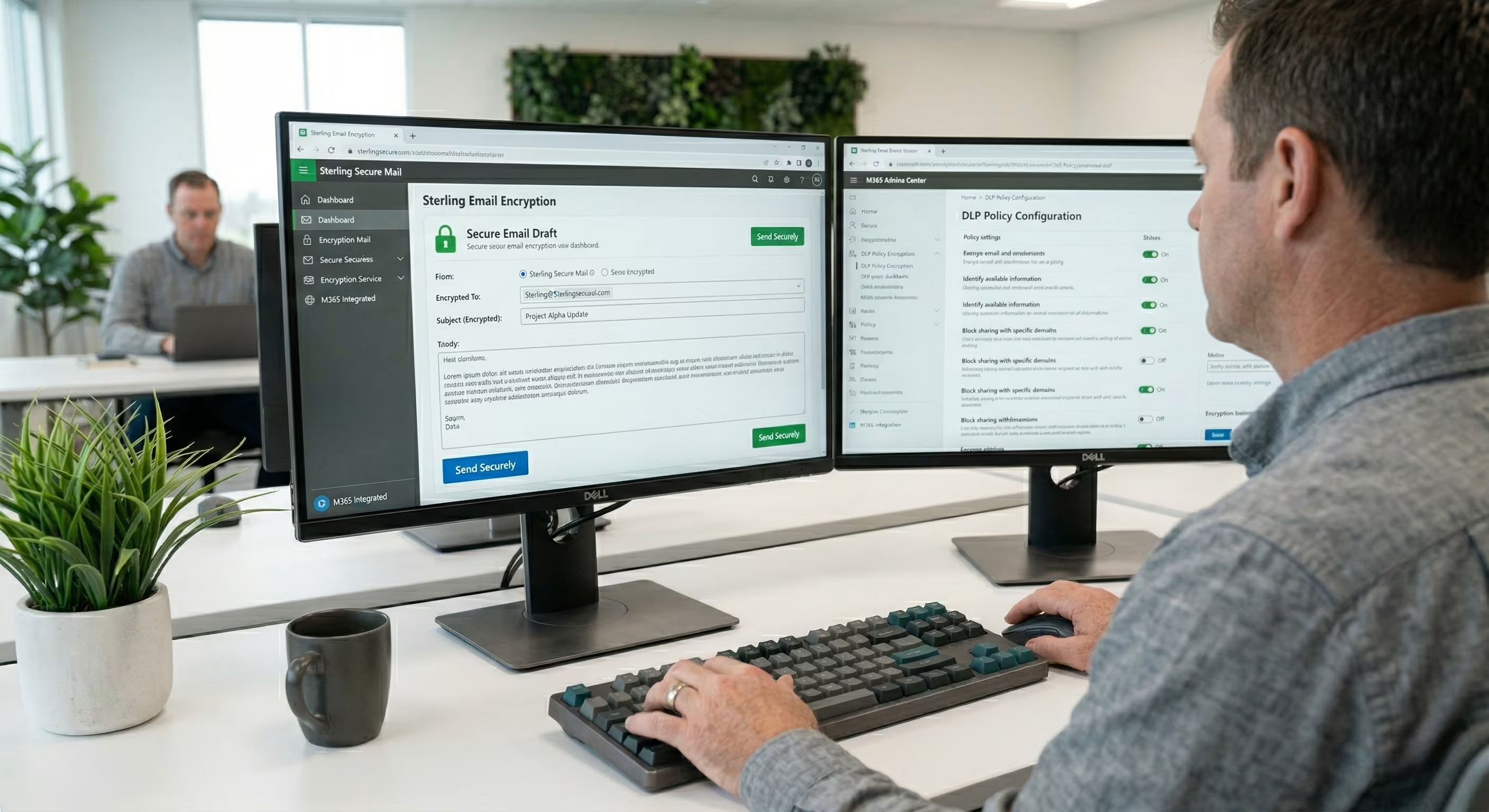
- Easy integration with Microsoft 365 and other popular email clients
- Secure message delivery and read receipts
- Data loss prevention tools to stop accidental leaks
- Support for multiple email domains and accounts
- Free trial options to test before you commit

The role of encryption and compliance in business email
Encryption is more than just a technical feature—it's a requirement for many businesses. Regulations like HIPAA demand that companies protect sensitive information, especially when it comes to email communication. Choosing the right email encryption service helps you meet these legal obligations and builds trust with your clients.
Compliance is not just about avoiding penalties. It's about showing your customers and partners that you take data security seriously. A secure email system can also help you avoid the headaches of data breaches, which can damage your reputation and cost your business money.
Steps to implement email encryption services for 2026
Getting started with email encryption services can seem overwhelming, but breaking it down into steps makes it manageable. Here’s how to approach the process for your business.
Step #1: Assess your current email security
Start by reviewing your current email provider and security features. Identify any gaps or weaknesses in how you send and receive messages.
Step #2: Choose a reliable email encryption service
Look for a provider that offers end-to-end encrypted email, zero-access encryption, and strong data loss prevention. Make sure the service fits your business size and needs.
Step #3: Set up integration with your email client
Most modern services work with Microsoft Outlook, Gmail, and other popular email clients. Follow the provider’s instructions to connect your accounts and email domains.
Step #4: Train your team on security features
Provide training on how to encrypt messages, use secure file sharing, and recognize secure message indicators. Make sure everyone understands the importance of using these tools.
Step #5: Test with a free trial
Many providers offer a free trial. Use this time to test features like send and receive, encryption key management, and secure message delivery before making a final decision.
Step #6: Monitor and update regularly
Keep your software updated and review your security settings often. Regular monitoring helps you catch potential issues early.
Step #7: Review compliance and privacy policies
Check that your service meets all relevant regulations and privacy standards. Update your policies as needed to stay compliant.

Key considerations for implementing secure file sharing
When adding secure file sharing to your email encryption services, consider how your team will use the feature. Make sure the service allows you to send large files easily and keeps them protected with strong encryption. Look for options that let you control who can access shared files and track when they are opened.
It’s also important to check if the service integrates smoothly with your existing tools, like Gmail and Outlook. This makes it easier for your team to adopt the new system without changing their daily workflow. Finally, review the provider’s support and training resources to ensure your team can get help when needed.
Best practices for email privacy and security
Protecting your business emails requires ongoing effort. Here are some best practices to follow:
- Use end-to-end encrypted email for all sensitive communications
- Regularly update passwords and avoid sharing credentials
- Train employees on how to recognize phishing and other threats
- Enable two-factor authentication for email accounts
- Review and adjust privacy settings in your email provider
- Monitor for unusual activity and respond quickly to security alerts
Taking these steps will help keep your business communications safe and private.

How Sterling can help with email encryption services
Are you a business with 20 to 80 employees looking for reliable email encryption services? Growing companies need to protect sensitive information without slowing down daily operations. Our team understands the unique challenges you face as your business expands.
We offer tailored solutions that make it easy to secure your emails, meet compliance requirements, and train your staff. If you want to improve your data security and simplify secure communication, contact us today. Let Sterling help you build a safer, more efficient email system.
Frequently asked questions
What is encryption, and how does it protect business emails?
Encryption turns your email message into a code that only the intended recipient can read. This process uses an encryption key, making it nearly impossible for hackers to access the information without the correct key. By using encryption, your business ensures that sensitive data stays private, even if someone intercepts the message.
Many email providers now offer end-to-end encryption, which means the message is protected from the moment you send it until it reaches the recipient. This is especially important for businesses that need to keep customer or financial data secure.
How does an email encryption service work with Microsoft 365?
An email encryption service can integrate directly with Microsoft 365, allowing you to send encrypted emails from your regular email client. The service automatically encrypts messages based on rules you set, such as sending to certain domains or including specific keywords.
With Microsoft 365, you can also use features like secure message delivery and data loss prevention. These tools help you control who can access your emails and prevent accidental sharing of sensitive information.
What is the difference between encrypted email and traditional email?
Encrypted email uses technology to scramble the contents of your message, making it unreadable to anyone except the intended recipient. Traditional email, on the other hand, sends messages in plain text, which can be intercepted and read by others if not protected.
Using encrypted email is essential for businesses that need to protect confidential information. It adds an extra layer of security that traditional email simply does not provide.
Why is HIPAA compliance important for secure email?
HIPAA compliance is required for any business handling protected health information. Secure email encryption service options help you meet these legal requirements by ensuring that sensitive data is encrypted during transmission.
Without HIPAA-compliant email encryption, your business could face fines or legal action. It also helps build trust with clients and partners by showing that you take data security seriously.
Can I use email encryption services with Gmail and Outlook?
Yes, most email encryption services are designed to work with popular email clients like Gmail and Outlook. Integration is usually straightforward, allowing you to send encrypted messages without changing your workflow.
These services often include features like secure file sharing and read receipts, making it easy to track who has opened your messages. Always check compatibility before choosing a provider.
What are the benefits of secure file sharing through email encryption services for 2026?
Secure file sharing lets you send large or sensitive files safely through your email encryption service. This feature ensures that only authorized recipients can open and view the files, reducing the risk of data leaks.
As we move into 2026, secure file sharing is becoming a must-have for businesses of all sizes. It helps you stay compliant with privacy regulations and keeps your business data safe from cyber threats.

Landon Carter
Outside of work I enjoy traveling with my wife and son, helping coach little league baseball teams, and cheering on the Carolina Panthers.


