Network Segmentation Services: Security, Zero Trust & Use Cases
May 8, 2026
Network segmentation services are vital to keeping your business safe from cyber threats and improving how your network runs. In this blog, you'll learn what network segmentation is, why it matters for network security, and how it supports zero trust strategies. We'll cover the main benefits, practical use cases, common mistakes to avoid, and the best ways to segment your network for better visibility and control. You'll also find answers to frequently asked questions and learn how to get help with post-network segmentation troubleshooting services. Topics such as firewalls, microsegmentation, access control, lateral movement, and security policies will be discussed, along with tips on using network segmentation to protect sensitive data and intellectual property.
Understanding network segmentation services
Network segmentation services divide a network into smaller, more manageable segments. This makes it easier to control who can access what and helps prevent unauthorized users from moving freely within the network. By breaking up your network, you can isolate sensitive data, limit access to critical systems, and reduce the risk of a cyber attack spreading.
Segmentation is not just about security—it also helps reduce network congestion and improve performance. When you segment your network, you can prioritize important network traffic, limit the impact of a problem to just one area, and make it easier to manage your infrastructure. This approach is especially useful for businesses that handle intellectual property, PCI DSS compliance, or need to meet strict security policies.
How segmentation works: Steps and strategies for success
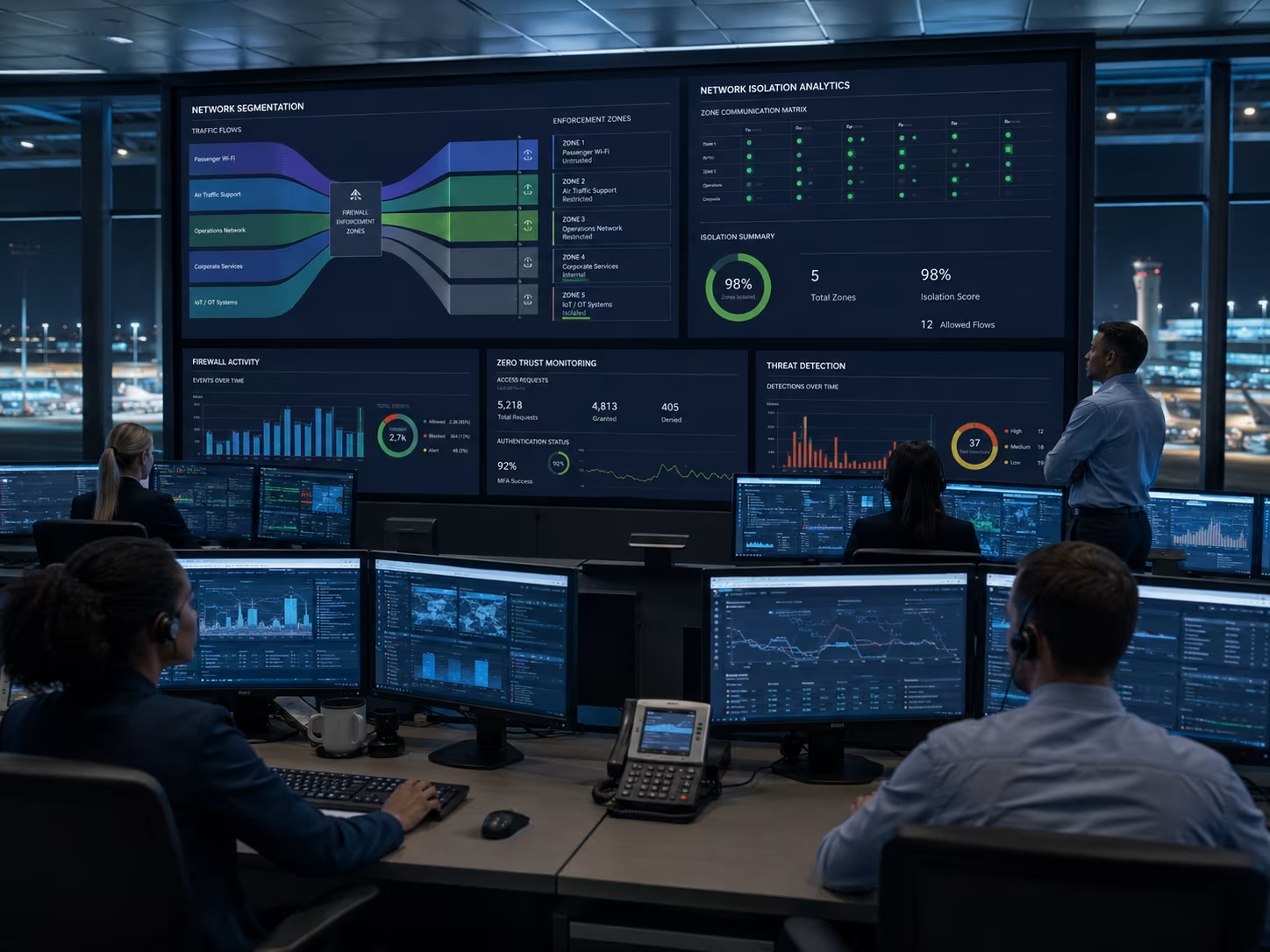
Segmentation is more than just setting up a firewall. Here are some important steps and strategies to make sure your segmentation works as intended:
Step 1: Assess your existing network
Before making changes, review your current network infrastructure. Identify sensitive data, critical workloads, and areas where congestion or security risks are highest.
Step 2: Define clear segmentation policies
Set rules for who can access each network segment. Use access control lists and security policies to limit access based on user roles, devices, or applications.
Step 3: Use logical segmentation
Logical segmentation uses software-defined tools like VLANs or subnets to separate network traffic. This makes it easier to manage and adjust segments as your business grows.
Step 4: Implement NAC (Network Access Control)
NAC solutions help enforce your segmentation policies by checking devices before they connect. Only approved devices can access certain segments, reducing the attack surface.
Step 5: Monitor for lateral movement
Attackers often try to move sideways within the network. Use monitoring tools to detect unusual activity and stop threats before they spread.
Step 6: Test and update regularly
Regularly test your segmentation setup. Update policies and controls as your business changes or as new threats appear.
Step 7: Plan for post-network segmentation troubleshooting services
Even with a good plan, issues can come up. Make sure you have support for troubleshooting after segmentation, so problems are fixed quickly and downtime is minimized.
Key benefits of network segmentation services
Network segmentation services offer several important advantages:
- Limits the spread of malicious attacks by isolating network segments
- Improves network performance by reducing congestion and prioritizing critical traffic
- Helps meet compliance requirements like PCI DSS and protect sensitive data
- Increases visibility into network traffic and user activity
- Supports zero-trust security strategies by limiting access to only what is needed
- Makes it easier to manage and secure cloud environments and data centers

Zero trust and network security: Why segmentation matters
Zero trust is a security approach that assumes no one inside or outside your network can be trusted by default. Network segmentation services play a key role in zero trust by dividing your network into smaller zones and enforcing strict access controls. This means even if an attacker gets inside, they can't move freely or reach sensitive systems.
Segmentation also helps improve your overall security posture. By using microsegmentation and software-defined controls, you can apply granular security policies to each workload or application. This reduces the risk of data breaches and helps prevent unauthorized access to intellectual property or critical business systems.
Use cases for network segmentation solutions
Network segmentation solutions can be used in many different ways. Here are some common use cases and how they help protect your business:
Use case 1: Protecting sensitive data
Businesses that handle customer information, financial records, or intellectual property need to keep this data separate from the rest of the network. Segmentation helps isolate sensitive data and limit who can access it.
Use case 2: Supporting compliance requirements
If your business needs to meet PCI DSS or other regulations, segmentation can help you create secure zones for payment systems or other regulated workloads. This makes audits easier and reduces compliance risks.
Use case 3: Improving cloud security
Cloud environments can be complex. Segmentation allows you to create secure boundaries between cloud workloads, reducing the risk of unauthorized access or data leaks.
Use case 4: Managing network congestion
By dividing your network into smaller segments, you can reduce congestion and improve performance for critical applications. This is especially important for VoIP, video, or other bandwidth-heavy services.
Use case 5: Preventing lateral movement
Attackers often try to move from one system to another after getting inside. Segmentation stops this by isolating network segments and limiting access between them.
Use case 6: Enhancing visibility and control
With segmentation, you can monitor network traffic more closely and spot unusual activity faster. This helps you respond to threats before they cause major problems.
Use case 7: Simplifying network management
Segmenting your network makes it easier to manage changes, add new devices, or troubleshoot issues. Each segment can be handled separately, reducing the risk of widespread outages.
Implementing network segmentation: Practical steps and considerations
When you decide to segment your network, start by mapping out your existing network and identifying key assets. Use tools like VLANs, subnets, and software-defined solutions to create logical segments. Make sure to set up firewalls and access controls between segments to enforce your security policies.
It's important to involve your IT team and get support for post-network segmentation troubleshooting services. Regularly review your segmentation setup, update policies as your business grows, and stay informed about new threats or best practices. Remember, segmentation is not a one-time project—it needs ongoing attention to stay effective.
Best practices for segmenting your network
To get the most out of network segmentation services, follow these best practices:
- Identify and isolate sensitive data and critical systems first
- Use a mix of physical and logical segmentation for stronger security
- Apply granular access controls to limit who can reach each segment
- Monitor network traffic for signs of lateral movement or unusual activity
- Regularly review and update segmentation policies as your business changes
- Plan for troubleshooting and support after segmentation is complete
Following these steps will help you improve security, reduce network congestion, and make your network easier to manage.

How Sterling can help with network segmentation services
Are you a business with 20 to 80 employees looking for reliable network segmentation services? Growing businesses need strong security and efficient networks to stay competitive. We understand that as your company grows, so do your network needs and the risks you face.
Our team at Sterling specializes in designing, implementing, and supporting network segmentation solutions. We offer post network segmentation troubleshooting services to keep your systems running smoothly. Contact us today to see how we can help you segment your network, protect sensitive data, and support your business goals.
Frequently asked questions
What is network segmentation, and why is it important for network security?
Network segmentation divides a network into smaller sections, making it easier to control access and monitor network traffic. This helps prevent unauthorized users from moving within the network and keeps sensitive data safer.
By segmenting your network, you reduce the attack surface and make it harder for malicious actors to reach critical systems. It also helps with compliance and improves your overall security posture.
How do the benefits of network segmentation help reduce network congestion?
Segmentation offers improved performance by limiting the amount of traffic in each segment. This reduces congestion and makes it easier to prioritize important applications.
When you use network segmentation, you can assign specific resources to each segment, making sure that critical workloads get the bandwidth they need. This also helps prevent network slowdowns caused by unnecessary traffic.
What is zero trust, and how does it work with microsegmentation?
Zero trust is a security strategy that assumes no user or device should be trusted by default, even if they are inside the network. Microsegmentation supports zero trust by dividing the network into very small segments and applying strict access controls.
This approach limits lateral movement and helps isolate threats before they can spread. It also makes it easier to enforce security policies and protect sensitive data.
Can you give some use cases for segmenting a network into smaller parts?
Segmenting your network is useful for isolating sensitive data, supporting compliance, and protecting intellectual property. For example, you can create separate segments for payment systems, guest Wi-Fi, and employee devices.
Other use cases include improving cloud security, managing network congestion, and making it easier to monitor for threats. Each segment can have its own security controls and policies.
What are some common network segmentation FAQs for businesses with 20 to 80 employees?
Businesses often ask about the best way to segment their network, how to handle post-network segmentation troubleshooting services, and how to set up access control. It's also common to ask about compliance requirements and how segmentation can help meet them.
Other FAQs include how to use VLANs, subnets, and software-defined solutions to create logical segments. Understanding these basics helps you make better decisions for your network.
How do segmentation policies and NAC work together to prevent unauthorized access?
Segmentation policies define who can access each part of the network, while NAC (network access control) checks devices before they connect. Together, they help limit access and prevent unauthorized users from reaching sensitive systems.
By using both, you can enforce strict security strategies and make sure only approved users and devices can enter certain segments. This keeps your network safer and easier to manage.

Landon Carter
Outside of work I enjoy traveling with my wife and son, helping coach little league baseball teams, and cheering on the Carolina Panthers.


